

Running injuries
Explore the 43 most common running injuries, sorted by body area. Each guide details the causes, symptoms and appropriate treatments.
The vast majority of running injuries are mechanical overload conditions: the stresses applied to tissues exceed their capacity to adapt. Managing this mechanical stress is therefore essential for both prevention and treatment.
Biomechanical factors
Body shape, running technique, muscle deficits, stiffness.
Training factors
Volume, intensity, progression, recovery.
Personal & equipment factors
Age, history, sleep, shoes, running surface.
A comprehensive approach
Not just the pain: lasting recovery depends on identifying the contributing factors.
43 injuries found
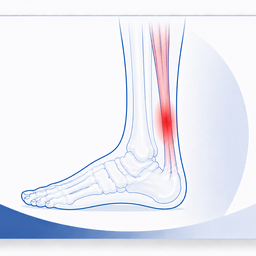
Achilles tendinopathy
Inflammation of the Achilles tendon causing pain and stiffness at the heel, the most common injury in runners.
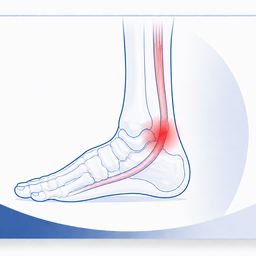
Tibialis posterior tendinopathy
Pain on the inner side of the ankle caused by irritation of the tendon that stabilises the arch of the foot.
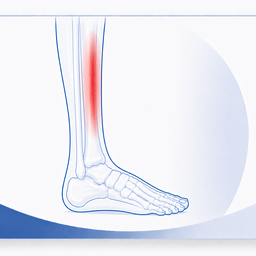
Shin splints (medial tibial stress syndrome)
Inflammation of the membrane covering the tibia caused by repeated impacts, affecting 13 to 17% of runners.
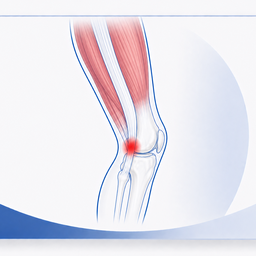
Iliotibial band syndrome
Irritation of the iliotibial band on the outer side of the knee, very common in runners.
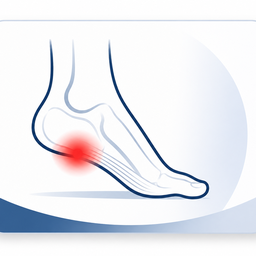
Plantar fasciopathy
Heel pain caused by irritation of the plantar fascia, very common in runners.
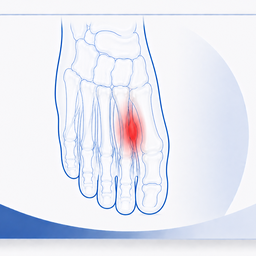
Morton’s neuroma
Compression of an interdigital nerve in the forefoot, causing pain and numbness.
Ankle impingement syndrome
Compression of the ankle joint tissues during extreme movements.
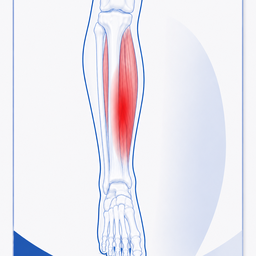
Compartment syndrome
Increased muscle pressure during exercise that can compromise blood flow and nerve function.
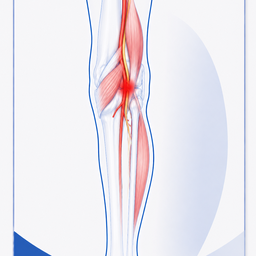
Popliteal artery entrapment syndrome
A rare but serious vascular compression of the popliteal artery that causes exercise-induced pain.
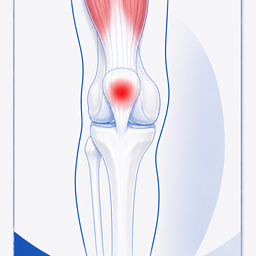
Patellofemoral pain syndrome
Anterior knee pain caused by poor patellar tracking, accounting for 25 to 40% of knee injuries in runners.
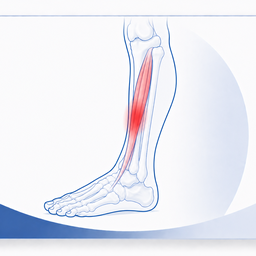
Tibialis anterior tendinopathy
Pain at the front of the ankle caused by the tendon of the muscle that lifts the foot.
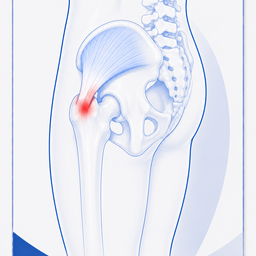
Gluteus medius tendinopathy
Pain on the outside of the hip caused by irritation of the gluteus medius tendon.
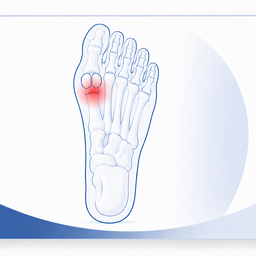
Sesamoid stress fracture
Progressive cracking of a bone in the foot caused by repeated impacts.
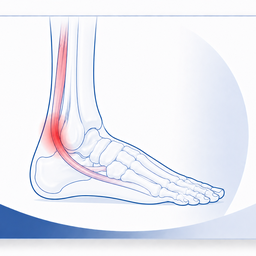
Peroneal (fibularis) tendinopathy
Irritation of the lateral stabilising tendons of the ankle.
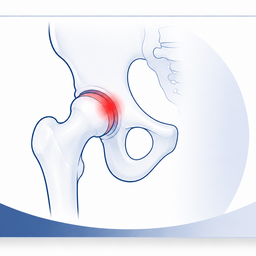
Femoroacetabular impingement
Abnormal contact between the femoral head and the pelvis, causing groin pain.
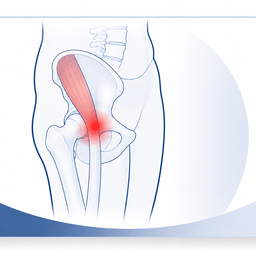
Anterolateral TFL impingement
Anterior hip irritation associated with overload of the tensor fasciae latae.
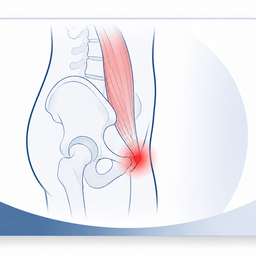
Anterior iliopsoas impingement
Irritation of the iliopsoas tendon causing groin pain and a snapping sensation.
Hip labral tear
A tear or wear of the hip joint's labrum, causing deep pain.
Knee osteoarthritis
Osteoarthritis of the knee characterised by progressive wear of the cartilage.
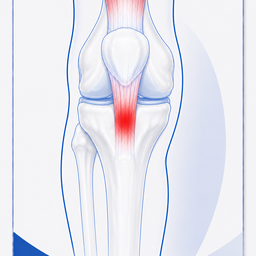
Patellar tendinopathy
Overuse tendinopathy of the patellar tendon causing pain below the kneecap, common in runners and jumping athletes.
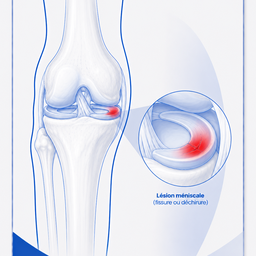
Meniscal injury in runners
Damage to the knee meniscus through a tear or progressive degeneration, common in runners over 35.
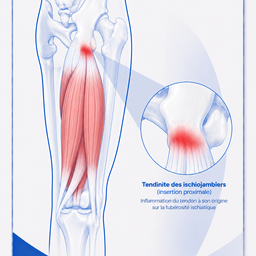
Hamstring tendinopathy
Inflammation of the hamstring tendon at its insertion on the ischium, causing characteristic pain beneath the buttock.
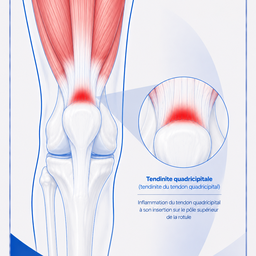
Quadriceps tendinopathy
Inflammation of the quadriceps tendon above the kneecap, a common overuse injury when training is increased too quickly.
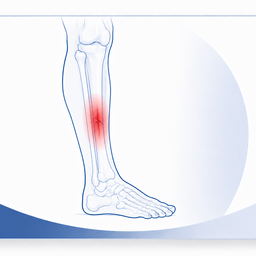
Tibial stress fracture
A tibial micro-fracture caused by repeated stress, requiring a mandatory break from running to allow the bone to heal.
Plantar plate injury
Damage to the fibrous plate that stabilises the toes, causing pain under the forefoot and a feeling of walking on a pebble.
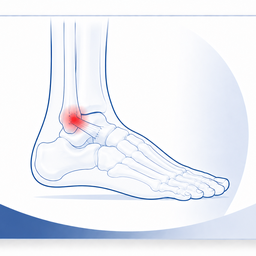
Ankle sprain
Injury to the ankle ligaments caused by twisting the foot; the most common macrotraumatic injury in runners and athletes.
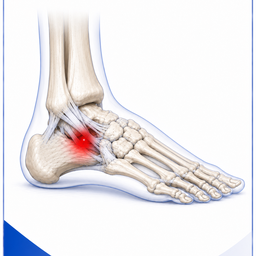
Sinus tarsi syndrome
Inflammation of the anatomical cavity between the talus and the calcaneus, often following a poorly rehabilitated ankle sprain.
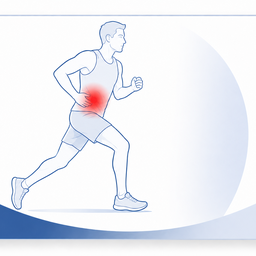
Abdominal pain in runners
Common abdominal pain during running (side stitch, cramps) related to diet, hydration or mechanical stress.
Exertional heat stroke in runners
A medical emergency in which body temperature exceeds 40°C, with failure of thermoregulation during exercise in hot conditions.
Sudden death in runners
Sudden cardiac arrest during exercise due to an underlying heart condition — rare, but calling for preventive medical follow-up.
Hyponatraemia in marathon runners
Excessive dilution of blood sodium caused by overhydration during long races, which can lead to serious neurological problems.
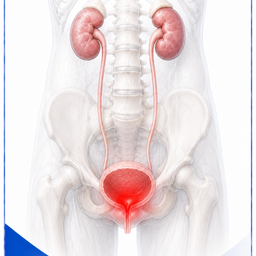
Exercise-induced haematuria
Temporary presence of blood in the urine after intense exercise, usually benign and linked to bladder microtrauma.
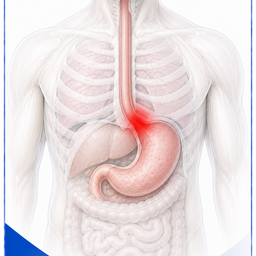
Gastro-oesophageal reflux in runners
Acid reflux promoted by running impacts and pre-exercise eating, causing heartburn and regurgitation.
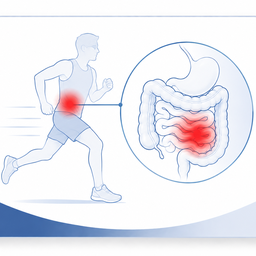
Runner’s diarrhoea
Accelerated intestinal transit during running related to mechanical impacts, diet and competition stress.
Oedema of the extremities in runners
Benign, transient swelling of the fingers and feet during long runs, linked to blood redistribution and heat.
Pes anserinus tendinopathy
Inflammation of the tendons that insert on the inner side of the tibia (sartorius, gracilis, semitendinosus), causing pain on the inner side of the knee.
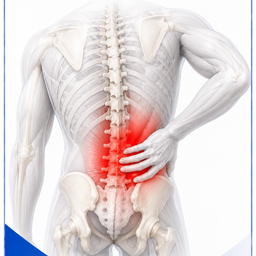
Low back pain in runners
Mechanical low back pain linked to running impacts, promoted by a lack of core strength and an unsuitable technique.
Adductor tendinopathy
Irritation of the adductor muscle tendons on the inner side of the thigh, causing groin pain in runners.
Tennis leg
Acute muscle tear of the calf (medial gastrocnemius), occurring suddenly during exertion in runners.
Hallux rigidus
Osteoarthritis of the big toe that progressively limits the mobility of the metatarsophalangeal joint, causing pain during push-off in runners.
Retrocalcaneal bursitis
Inflammation of the bursa between the Achilles tendon and the calcaneus, causing pain at the back of the heel in runners.
Overtraining in runners
An imbalance between training load and recovery, causing persistent fatigue, reduced performance and an increased risk of injury in runners.
Blisters in runners
Fluid-filled pockets under the skin caused by friction, heat and moisture, common in running, trail running and marathons.