

Running injuries
Explore the 43 most common running injuries, sorted by body area. Each guide details the causes, symptoms and appropriate treatments.
The vast majority of running injuries are mechanical overload conditions: the stresses applied to tissues exceed their capacity to adapt. Managing this mechanical stress is therefore essential for both prevention and treatment.
Biomechanical factors
Body shape, running technique, muscle deficits, stiffness.
Training factors
Volume, intensity, progression, recovery.
Personal & equipment factors
Age, history, sleep, shoes, running surface.
A comprehensive approach
Not just the pain: lasting recovery depends on identifying the contributing factors.
6 pathologies trouvées — Lower leg
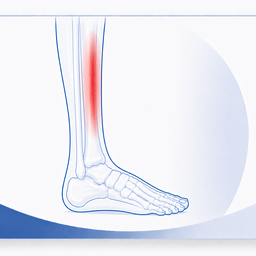
Shin splints (medial tibial stress syndrome)
Inflammation of the membrane covering the tibia caused by repeated impacts, affecting 13 to 17% of runners.
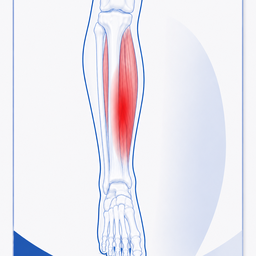
Compartment syndrome
Increased muscle pressure during exercise that can compromise blood flow and nerve function.
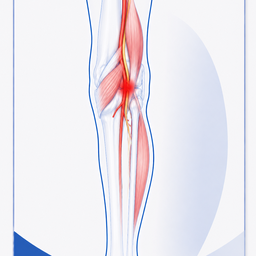
Popliteal artery entrapment syndrome
A rare but serious vascular compression of the popliteal artery that causes exercise-induced pain.
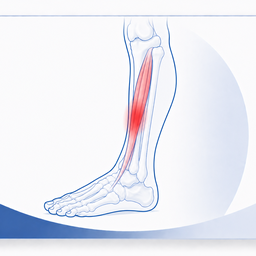
Tibialis anterior tendinopathy
Pain at the front of the ankle caused by the tendon of the muscle that lifts the foot.
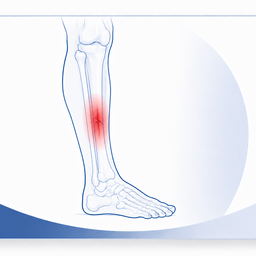
Tibial stress fracture
A tibial micro-fracture caused by repeated stress, requiring a mandatory break from running to allow the bone to heal.
Tennis leg
Acute muscle tear of the calf (medial gastrocnemius), occurring suddenly during exertion in runners.