
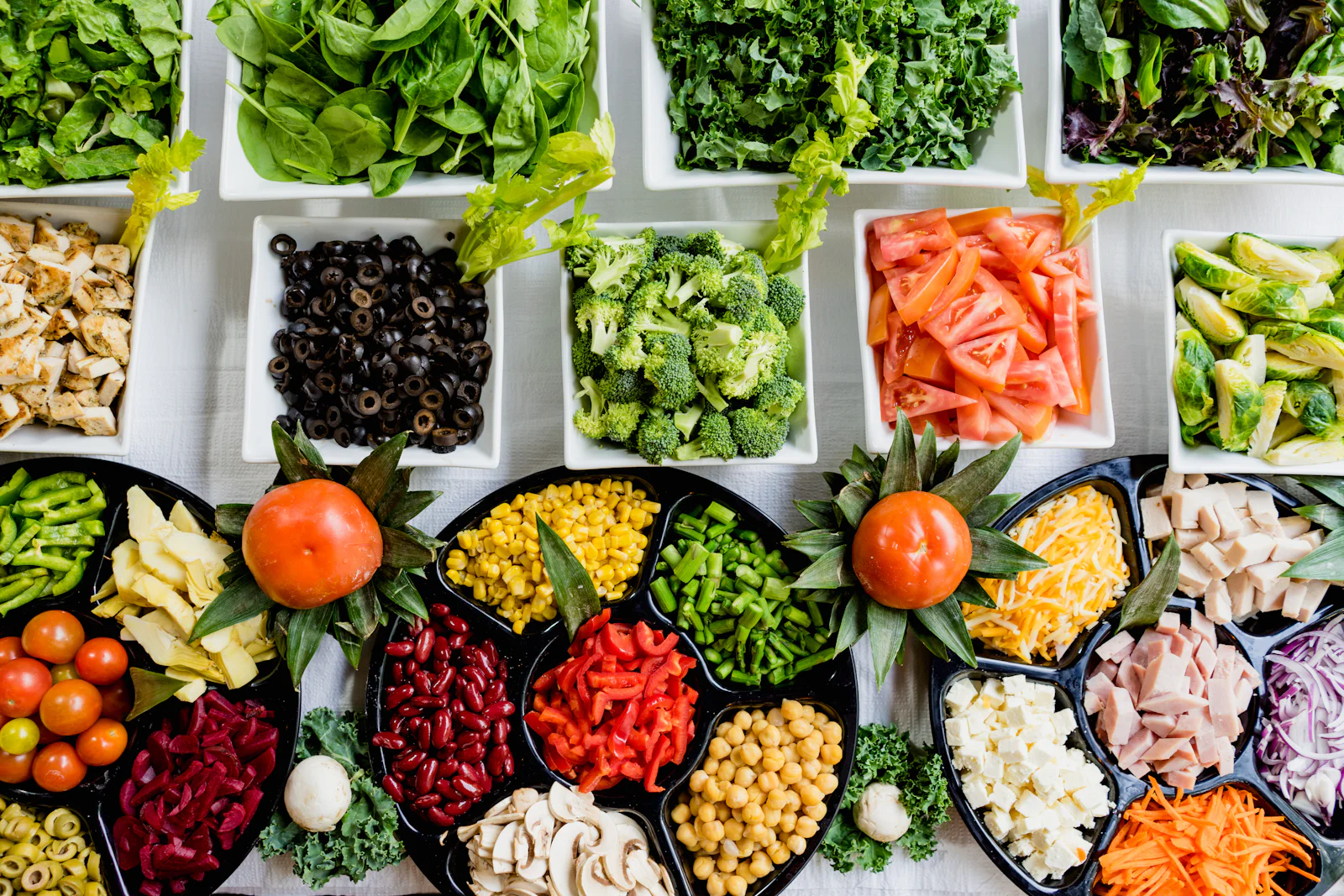
Inflammation is a natural process in the body, especially after training. It enables tissue repair and muscle adaptation. [1,3] However, when it becomes chronic or excessive, it can slow recovery, promote injury and limit performance. [2,4]
Diet plays a major role in regulating this inflammation. [4] Three nutritional imbalances are particularly involved in athletes.
Key message: An unbalanced diet can sustain a chronic inflammatory state, slow recovery and increase the risk of muscle and tendon injuries. [4,12]
🔥 The 3 key imbalances in athletes
Omega-3s are essential fatty acids with anti-inflammatory properties. [5,6] The modern diet, too rich in omega-6, promotes a pro-inflammatory state. [7] Consequences for athletes: slower recovery, prolonged muscle soreness, increased risk of injury.
[5,6,7]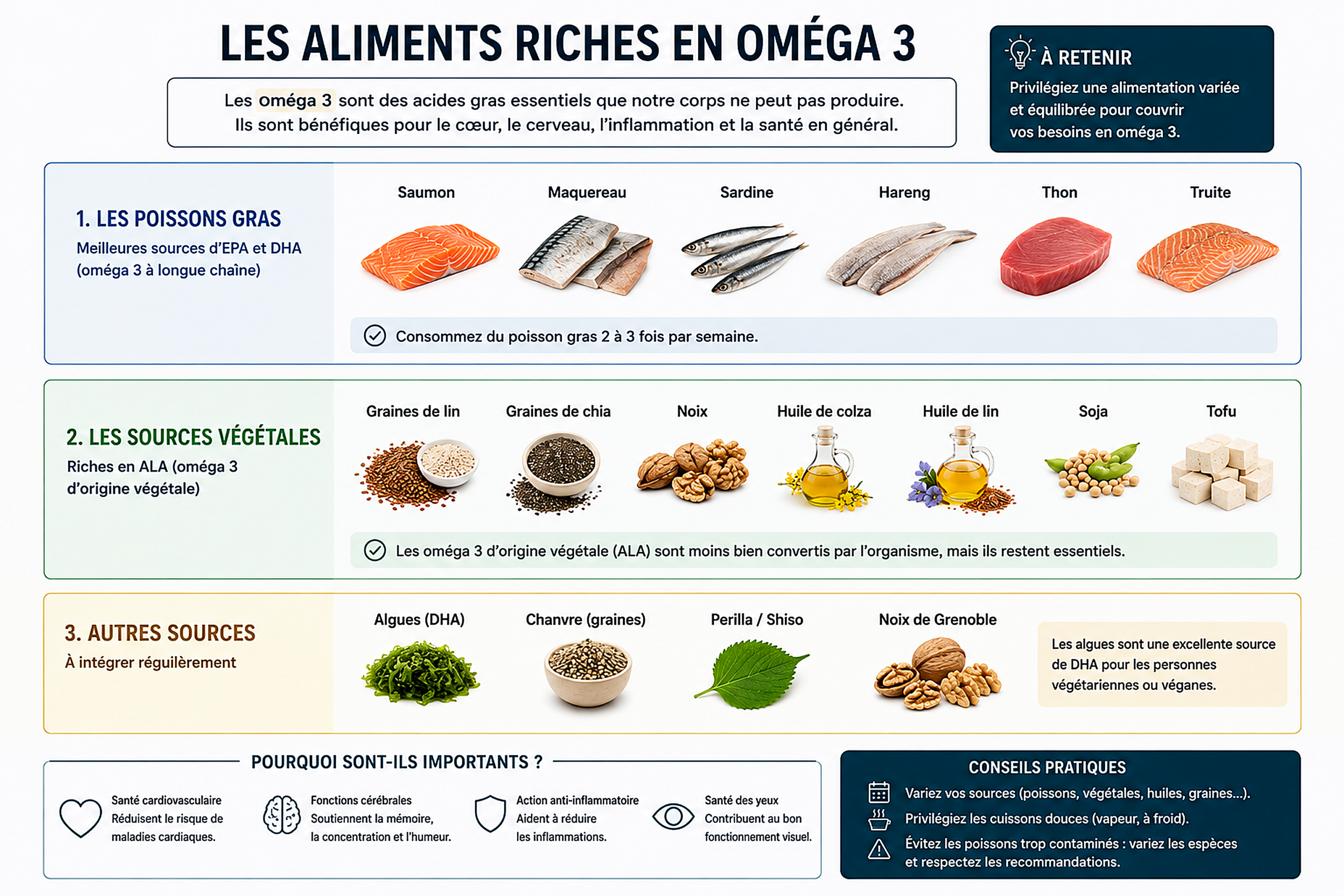
🔍 click to enlarge
Training naturally produces acidic waste. A diet rich in animal protein, processed foods and refined sugars, and low in alkalising foods, increases fatigue and slows recovery. [8,9] Maintaining acid-base balance optimises muscle recovery.
[8,9]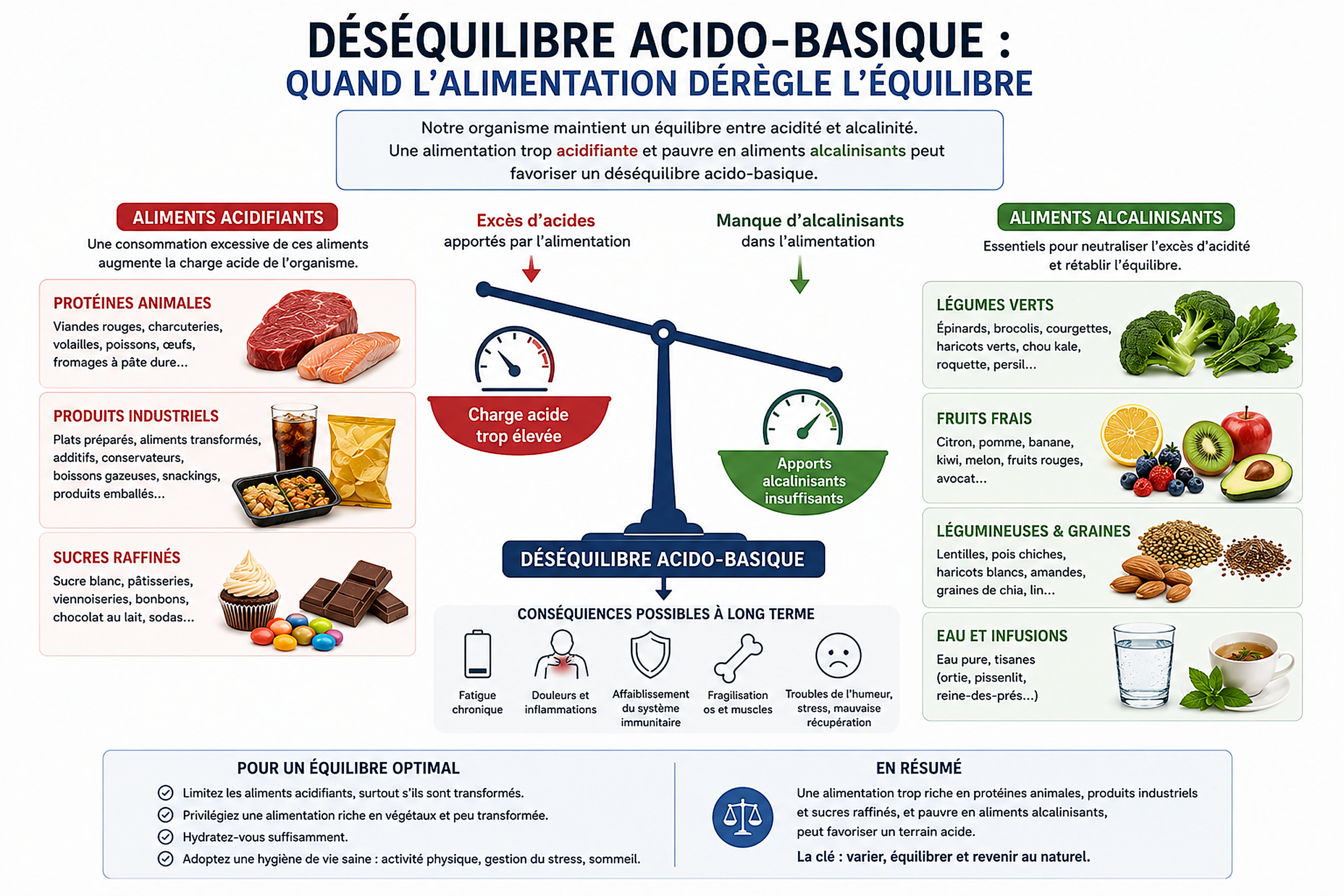
🔍 click to enlarge
Intense physical activity increases the production of free radicals, which are responsible for oxidative stress. [10,11] In excess, these molecules damage cells and slow recovery. [10] A varied, plant-rich diet supports antioxidant defences.
[10,11]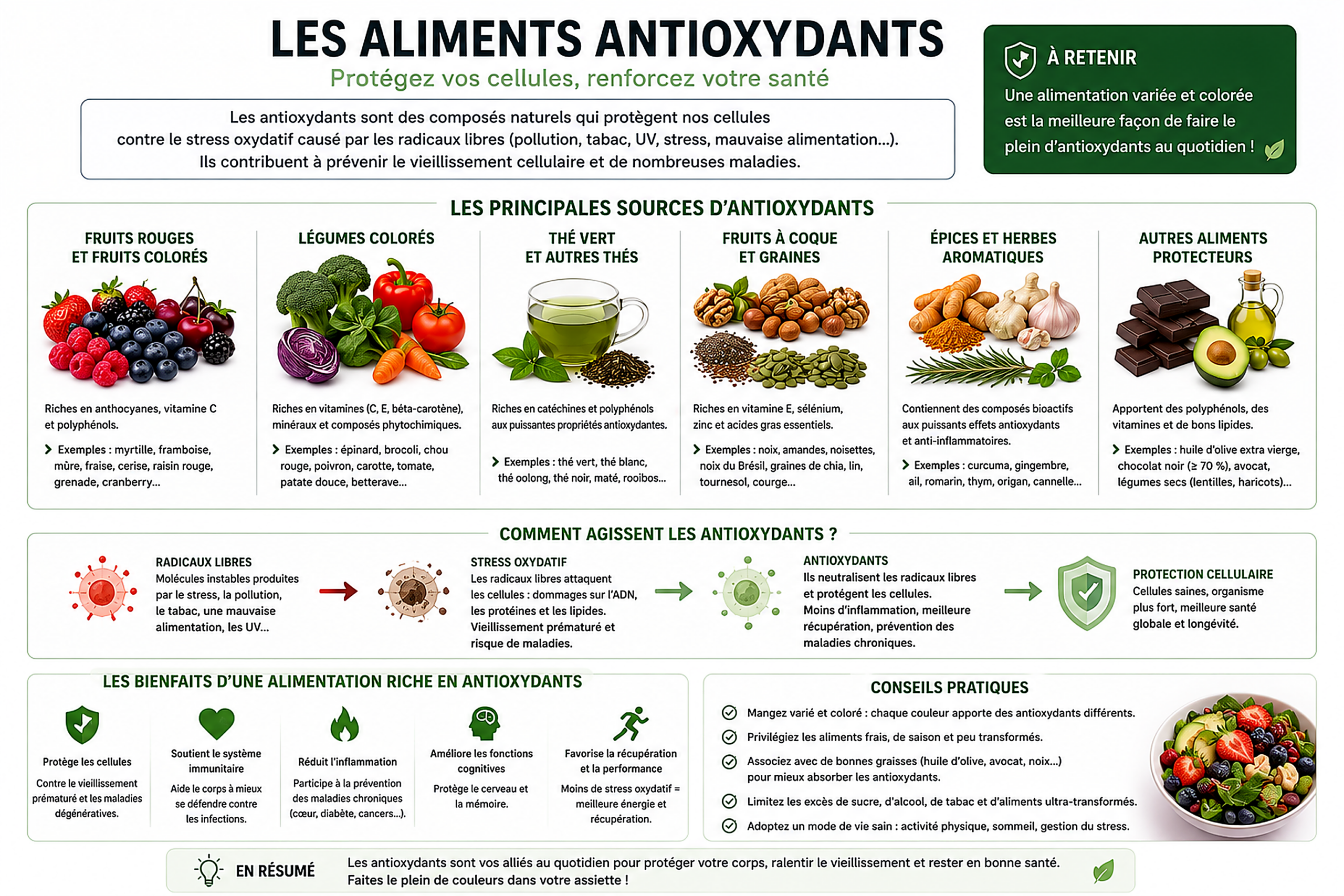
🔍 click to enlarge
🔬 Pathophysiology: how diet affects the tissues
A pro-inflammatory diet triggers specific biological mechanisms that weaken muscles and tendons, slow repair and increase the risk of injury.
Refined sugars, ultra-processed foods, trans fats, excess ω-6 and alcohol promote chronic systemic inflammation. [12,13]
- ↑ pro-inflammatory cytokines: IL-6, TNF-α, CRP
- Activation of the NF-κB pathway
- A biological environment unfavourable to tissue repair
➡️ More prolonged inflammatory response after exercise [12]
Tendons are made mostly of type I collagen. A pro-inflammatory diet can cause: [14,15]
- Reduced collagen synthesis
- Disorganisation of tendon fibres
- Increased degradation enzymes (MMPs)
➡️ Increased susceptibility to tendinopathies [14,15]
Diets low in antioxidants, polyphenols and vitamins C/E promote high oxidative stress. [10,11]
- Damage to cell membranes
- Mitochondrial impairment
- Apoptosis of muscle or tendon cells
➡️ Slower cellular recovery [10]
A pro-inflammatory diet can induce insulin resistance and disrupt the mTOR pathway. [16]
- Reduced muscle protein synthesis
- Slower recovery
- Less effective muscle repair
➡️ Reduced muscle gains despite effort [3,16]
High sugar intake produces AGEs (Advanced Glycation End Products). [17]
- Stiffening of tendon collagen
- Reduced tissue elasticity
- Impaired capacity to absorb stress
➡️ Increased risk of tendinopathies and injuries [17]
Chronic inflammation alters the activity of muscle satellite cells, which are responsible for repairing fibres. [18]
- Slower muscle regeneration
- Less effective healing
- Gradual accumulation of micro-injuries
➡️ Chronic muscle fragility [18]
⚖️ Pro-inflammatory vs anti-inflammatory diet
Daily food choices directly influence the body’s inflammatory balance. [12,13]
- Refined sugars and sugary drinks
- Ultra-processed foods
- Oils rich in omega-6 (sunflower, corn)
- Trans fats and fried foods
- Excess alcohol
- Excess red meat
- Large amounts of full-fat dairy products
- Oily fish (salmon, sardines, mackerel)
- Vegetables and fruits of various colours
- Extra virgin olive oil
- Walnuts, almonds, flaxseed
- Turmeric, ginger, garlic
- Pulses (lentils, chickpeas)
- Green tea, berries, red fruits
No food is absolutely forbidden. What matters is the overall balance of the diet over time. An occasional unbalanced meal has no significant impact. It is the daily repetition of choices that counts. [12]
🚫 Misconceptions about sports nutrition
Several beliefs about sports nutrition persist. Here is what the scientific literature says.
❌ Anti-inflammatory supplements can replace a good diet +
❌ Eating more protein always speeds up recovery +
❌ Athletes should avoid fats +
❌ Diet only affects performance, not injuries +
✅ Key messages to remember
Regularly include oily fish (sardines, mackerel, salmon), rapeseed oil, walnuts and flaxseed to rebalance the omega-6/omega-3 ratio. [5,6,7]
Vegetables and fruits of various colours, herbs, green tea and spices (turmeric, ginger) provide polyphenols and vitamins that fight post-exercise oxidative stress. [10,11]
Processed products are the main source of refined sugars, trans fats and additives that activate inflammatory pathways and disrupt muscle recovery. [12,13]
No single food does all the work. It is the consistency of daily choices over time, combined with progressive training and appropriate recovery, that produces results. [4]
A runner’s diet goes far beyond performance. It determines the quality of muscle and tendon tissue, the speed of recovery and resistance to injury. A chronically pro-inflammatory diet — even without obvious symptoms — weakens the structures used during exercise. Adopting anti-inflammatory habits every day is an investment in the longevity of your running.
- Gleeson M. Immune function in sport and exercise. J Appl Physiol. 2007.
- Nieman DC. Exercise, infection, and immunity. Int J Sports Med. 1994.
- Tipton KD, Wolfe RR. Protein and amino acids for athletes. J Sports Sci. 2004.
- Walsh NP. Nutrition and athlete immune health. Br J Sports Med. 2019.
- Calder PC. Omega-3 fatty acids and inflammation. Nutrients. 2010.
- Philpott JD, et al. Omega-3 and muscle recovery. Sports Med. 2019.
- Simopoulos AP. Omega-6/omega-3 ratio. Biomed Pharmacother. 2002.
- Robergs RA, et al. Exercise-induced metabolic acidosis. Am J Physiol. 2004.
- Pizzorno J, et al. Acid-base balance and health. Integr Med. 2010.
- Powers SK, Jackson MJ. Exercise-induced oxidative stress. Physiol Rev. 2008.
- Pingitore A, et al. Exercise and oxidative stress. Oxid Med Cell Longev. 2015.
- Hotamisligil GS. Inflammation and metabolic disorders. Nature. 2006.
- Libby P. Inflammatory pathways in atherosclerosis. N Engl J Med. 2002.
- Kjaer M. Tendon adaptation and collagen turnover. Physiol Rev. 2004.
- Riley G. Tendinopathy mechanisms. Nat Clin Pract Rheumatol. 2008.
- Atherton PJ, Smith K. Muscle protein synthesis regulation. J Physiol. 2012.
- Singh R, et al. Advanced glycation end-products. Diabetologia. 2001.
- Charge SBP, Rudnicki MA. Satellite cells and muscle repair. Physiol Rev. 2004.