

Running injuries
Explore the 43 most common running injuries, sorted by body area. Each guide details the causes, symptoms and appropriate treatments.
The vast majority of running injuries are mechanical overload conditions: the stresses applied to tissues exceed their capacity to adapt. Managing this mechanical stress is therefore essential for both prevention and treatment.
Biomechanical factors
Body shape, running technique, muscle deficits, stiffness.
Training factors
Volume, intensity, progression, recovery.
Personal & equipment factors
Age, history, sleep, shoes, running surface.
A comprehensive approach
Not just the pain: lasting recovery depends on identifying the contributing factors.
5 injuries found
Exertional heat stroke in runners
A medical emergency in which body temperature exceeds 40°C, with failure of thermoregulation during exercise in hot conditions.
Hyponatraemia in marathon runners
Excessive dilution of blood sodium caused by overhydration during long races, which can lead to serious neurological problems.
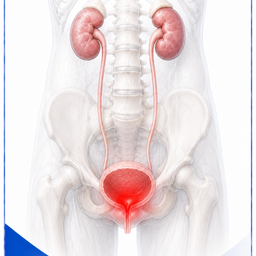
Exercise-induced haematuria
Temporary presence of blood in the urine after intense exercise, usually benign and linked to bladder microtrauma.
Oedema of the extremities in runners
Benign, transient swelling of the fingers and feet during long runs, linked to blood redistribution and heat.
Overtraining in runners
An imbalance between training load and recovery, causing persistent fatigue, reduced performance and an increased risk of injury in runners.